
SERVICE / 03
Infrastructure projects
Develop the right questions before committing to a delivery route.

01
What belongs in your brief
Identify the relevant stakeholders, site interfaces, statutory requirements and technical workstreams. Infrastructure experience and qualifications must be supplied and verified by the real business using this demo. Establish the scope boundaries, required investigations and decision authority before developing a project-specific delivery plan.
02
Define the asset and its users
Infrastructure work begins with the purpose of the asset, the people or operations depending on it and the authority responsible for its requirements. Establish the location, existing information, access constraints and relevant stakeholder interfaces. Surveys, permits and technical design need the appropriate professional review. A short description of the intended outcome is not a substitute for verified site and asset information.
03
Make existing services an explicit question
Existing utilities, adjacent structures and ground conditions can affect scope and sequence. Identify the records and investigations available to the design and construction teams, including their limitations. Assign responsibility for further verification and the response to unexpected conditions. This introductory service content does not provide excavation instructions, utility clearance or an assurance that a route is free of hazards.
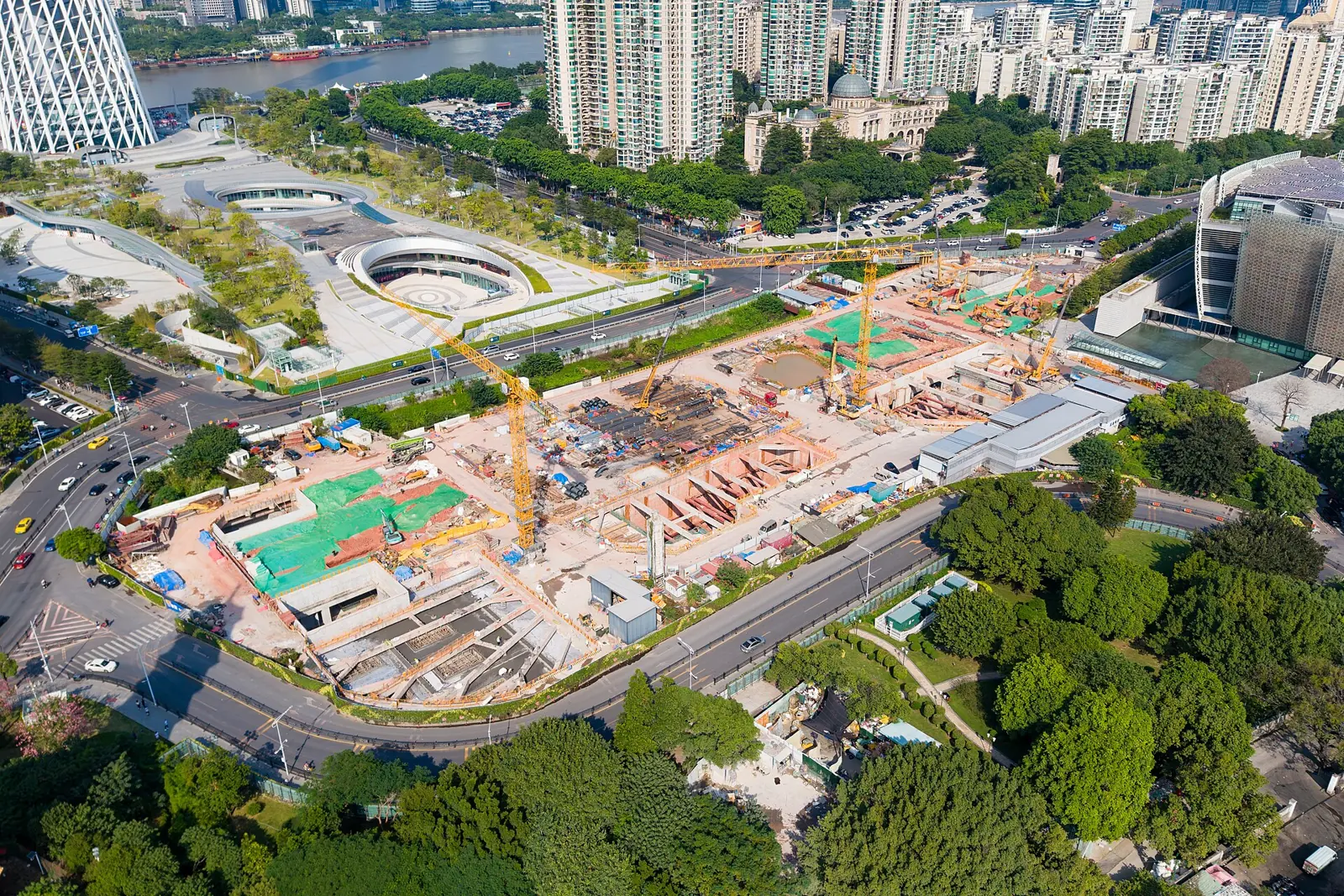
04
Plan the work around continuity
Some assets must remain accessible or operational while work proceeds. Discuss temporary access, affected users, delivery constraints and the authority to approve interruptions. Review the proposed sequence with the relevant stakeholders before fixing dates. Keep changes to the operational brief connected to design and procurement decisions so the project does not rely on an outdated assumption about how the asset will be used.
05
Create a record that supports future use
Agree the required survey, inspection, test and completion information for the actual asset. Where as-built records are required, define their format, responsibility and acceptance process early. Separate unverified assumptions from confirmed information. The completed record should help the asset owner understand the installed work and remaining actions without implying certifications or approvals that have not actually been obtained.
Before we talk.
Which project information is useful initially?
Share the intended asset use, location, available surveys and the stage reached with the responsible authority or advisers. Identify known service, access or stakeholder constraints and the decision the next appointment needs to support. Sensitive technical information should be shared through an agreed secure project channel rather than the initial public inquiry form.
Related expertise.
Bring the brief. Build clarity.
Identify the project purpose, current information status and the decision requiring support. Include operating constraints and the appointed parties at relevant package boundaries.